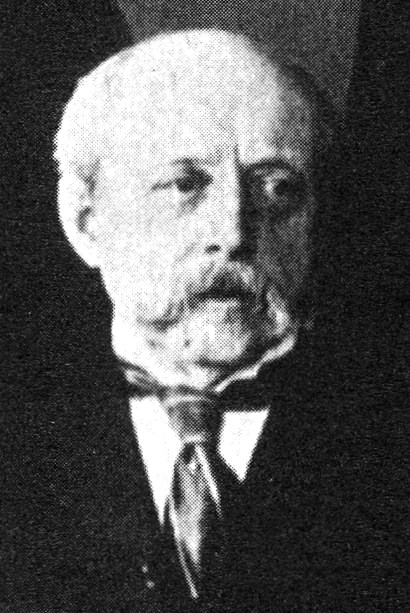
The man who outlasted nine presidents
Charles Edward Barber was born in London in 1840, the son of an engraver. When he was a boy the family crossed the Atlantic, and engraving was the family trade he was raised into — his father, William Barber, would himself become chief engraver of the United States Mint.
The chief engraver is the Mint's senior artist: the person who designs the nation's coins and cuts the master tools they are struck from. In 1869 the younger Barber joined the Mint in Philadelphia as an assistant under his father. When William died in 1879, Charles stepped into his shoes. President Rutherford B. Hayes made it official in January 1880.
He held the post until the day he died — February 18, 1917. That is 37 years at the head of American coinage, through the administrations of nine presidents. No chief engraver has ever served longer. When he was buried, the flags at the Philadelphia Mint were lowered to half-staff, an honor said never to have been given to any Mint official since.
Barber's reputation is a genuine argument among collectors, and the page is more honest for saying so. To his critics he was the cautious civil servant whose designs were competent and a little dull. To his defenders he was a superb craftsman boxed in by the brutal practical demands of mass production — a coin has to strike cleanly millions of times, stack flat, and survive decades of pockets and cash drawers. The numismatic scholar R.W. Julian put the case for the defense plainly: Barber, he argued, was capable of superb work when he was given a free hand. He rarely was.