The story behind the coin
For 140 years, the faces on circulating American coins were ideas — Liberty in a dozen poses, an eagle, an Indian head that was really an allegory in a headdress. The founders had been wary of putting rulers on money; that was what kings did. So Americans handed each other coins stamped with symbols, not statesmen.
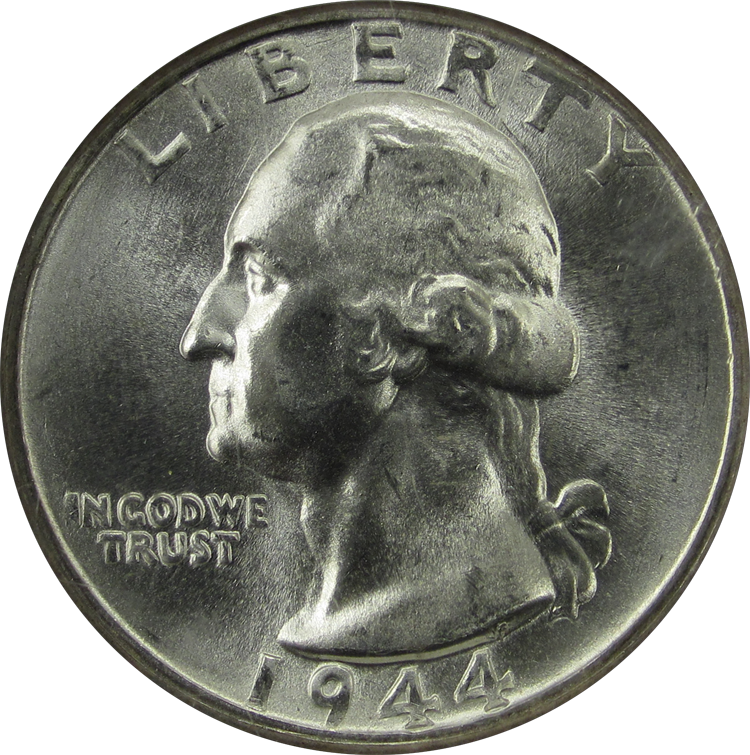
In 1932 that broke. Congress wanted to mark the 200th anniversary of George Washington's birth, and a quarter dollar carrying his portrait was the chosen tribute. It was meant to be a one-year commemorative — strike it for 1932, then go back to the old design. The old design was the Standing Liberty quarter by Hermon MacNeil, a beautiful coin that was a headache to strike cleanly.
The one-year coin never went away. The portrait stuck, the Standing Liberty quarter was retired for good, and Washington's profile has ridden the quarter ever since. What was supposed to be a birthday card became the everyday quarter of the Depression, the Second World War, and postwar America — struck in 90% silver, the same as it had been since the founding, right up until 1964.