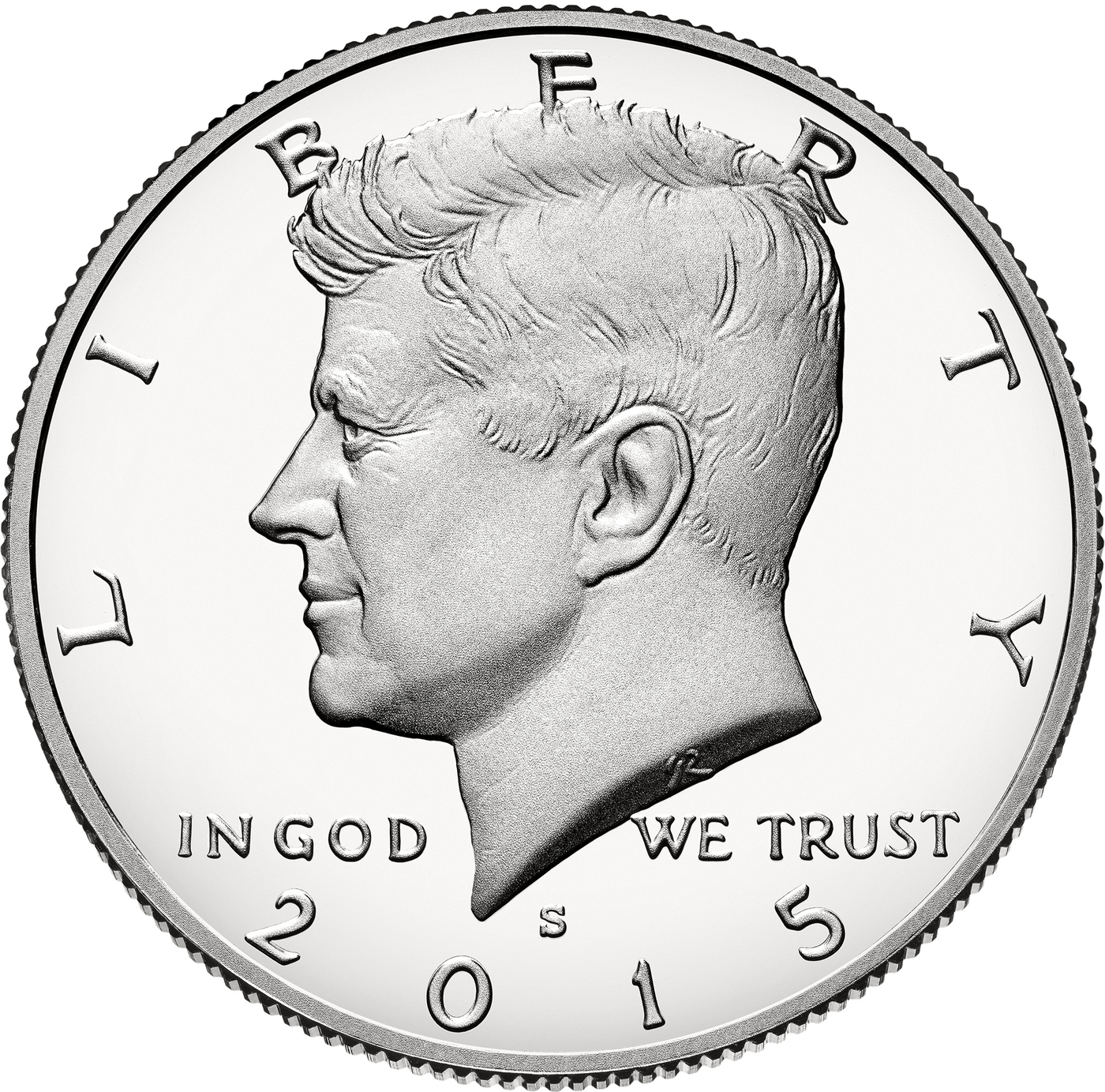
The story behind the coin
On November 22, 1963, John F. Kennedy was assassinated in Dallas. Within hours — before the country had finished absorbing the news — Mint Director Eva Adams was already on the phone to the Mint's chief engraver, asking whether Kennedy could be put on a coin.
The decision came fast and from the top. Jacqueline Kennedy, the president's widow, was consulted on which coin to use. She chose the half dollar rather than the quarter, because the quarter would have meant displacing George Washington — and she did not want to push the first president aside to honor her husband. Congress passed the authorizing legislation on December 30, 1963, just over a month after Kennedy's death.
The Mint moved at a speed it almost never moves. The first circulating Kennedy half dollars were struck at the Denver Mint on January 30, 1964, with Philadelphia following the next week. On March 24, 1964, the coins went out to the public — and the response was something the Mint had never seen. People lined up at banks. By the end of the first day the coins were gone, but the line had not gotten any shorter.
Then the coin did something stranger still. It vanished. By late 1964 the Mint had struck roughly 160 million Kennedy halves, yet you almost never saw one in actual circulation. Two forces emptied the country's pockets at once: grief and silver. People kept the coins as keepsakes of a beloved president — and, as the price of silver climbed, the 90% silver in each coin became worth hoarding for the metal alone. The Kennedy half is one of the rare coins that was a collector's item the moment it existed, before a single example had a chance to wear.