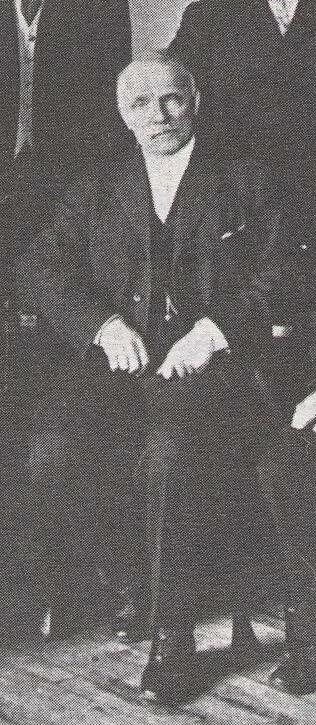
The man the Mint imported
In 1876 the U.S. Mint did something it rarely did: it went shopping for talent overseas. The Director of the Mint, Henry Linderman, wanted fresh blood for the engraving department — and he didn't trust his own men to provide it. So he wrote to C.W. Fremantle, the deputy master of London's Royal Mint, asking for "a first-class die-sinker." Fremantle's recommendation was a thirty-year-old engraver who had, in his words, "made himself a considerable name" in England but had few chances to use it. His name was George Thomas Morgan.
Morgan was a Midlands craftsman, born in Bilston, England, on November 24, 1845. He trained at art school in Birmingham, won a scholarship to the National Art Training School in South Kensington — the institution that would become the Royal College of Art — and learned his trade cutting dies for the London medal house of John Pinches. A die is the hardened steel stamp that strikes a coin's image into blank metal; cutting one by hand, in mirror-image and sunk below the surface, is the whole art of the engraver. Morgan was good at it.
He sailed into Philadelphia on October 9, 1876, on a six-month trial. He arrived into an awkward situation. The Mint already had a Chief Engraver, William Barber, and Barber had a son, Charles, working alongside him — a family that expected to inherit the department. Linderman had effectively brought in an outsider to compete with them on their own ground. The tension that defined Morgan's American career was baked in from his first day.