The story behind the coin
A Mint director wanted Benjamin Franklin on a coin, and she got her way.
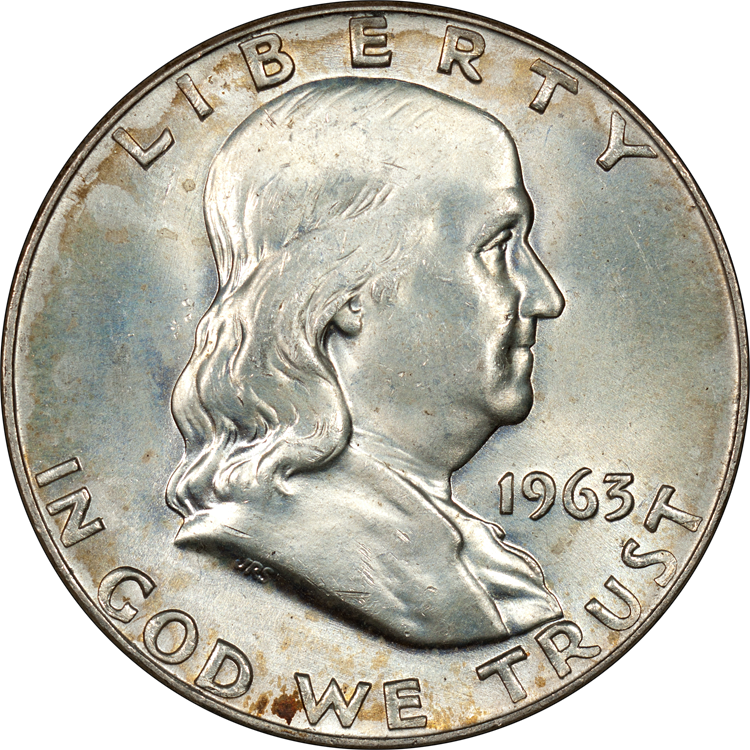
Nellie Tayloe Ross ran the U.S. Mint for two decades — the first woman to do so — and she had long admired Franklin. In the mid-1940s she told the Mint's chief engraver, John R. Sinnock, to design a half dollar around him. There was no act of Congress behind it. The half dollar's design had been in circulation long enough that the Mint could change it on its own authority, and Ross simply chose to.
That choice was quietly radical. Franklin was a printer, a scientist, a diplomat — and never president. Putting him on circulating coinage broke the unwritten habit of reserving that honor for presidents and allegorical figures of Liberty. It made him the first real historical American, rather than a symbol, to ride a coin into everyday pockets — and to this day he is the only Founding Father so honored on a coin meant to spend.
The timing fit the moment. America had come out of the war as the world's creditor, its silver dollars and halves backed by a Treasury flush with metal. A confident postwar country was happy to mint its own history in silver — and a thinker on a coin, rather than a general, suited a nation that had just won and now wanted to build.