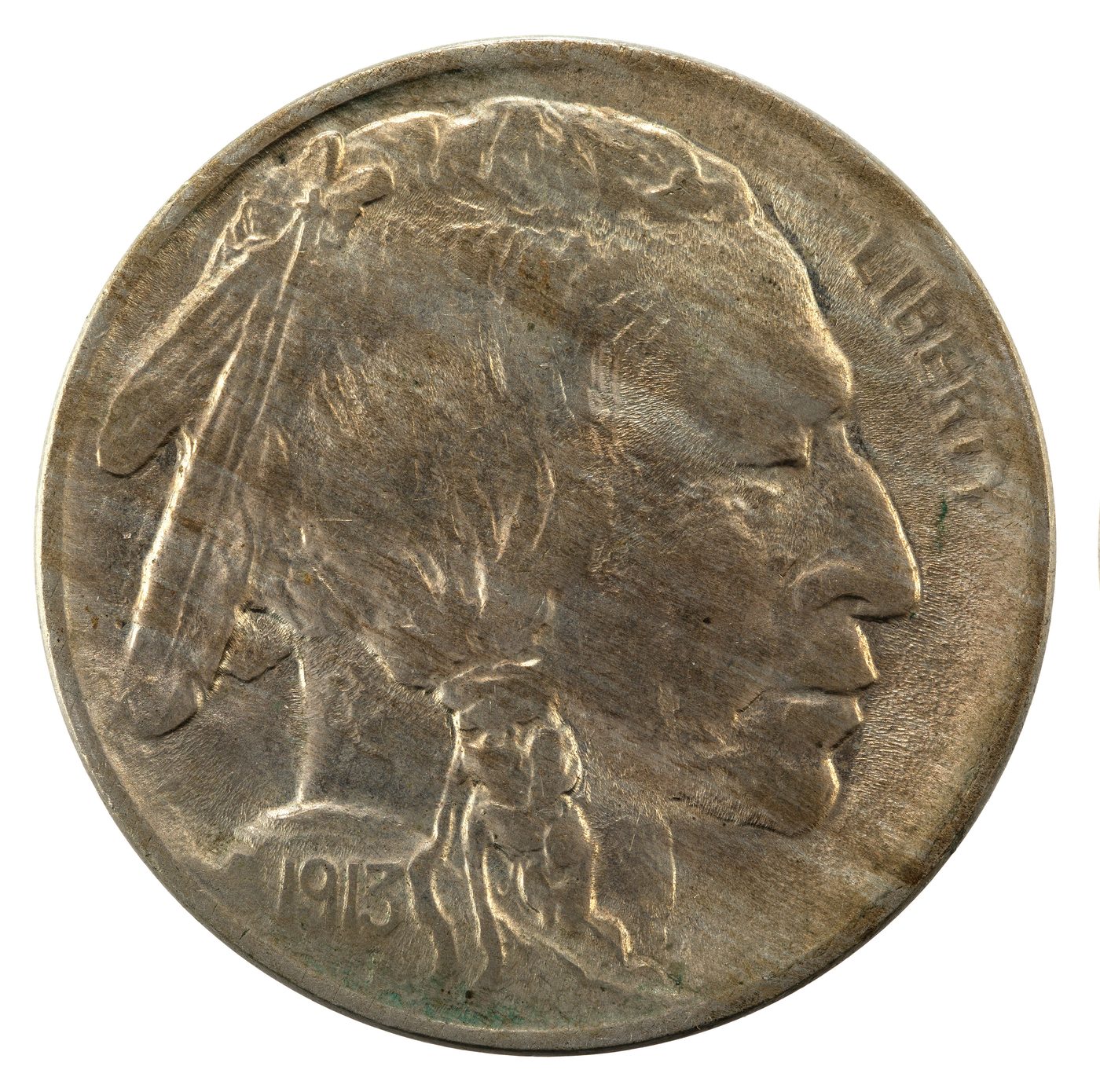
The story behind the coin
At the turn of the 20th century, President Theodore Roosevelt thought American coins were ugly. He launched a quiet campaign to make them beautiful — to hand the work to real sculptors instead of career engravers. That push gave the country a run of stunning new designs, and the nickel was next in line.
By 1911 the Treasury wanted to retire the staid Liberty Head nickel that had run since 1883. The job went to a sculptor named James Earle Fraser, and Fraser had one ambition: make something unmistakably American. Years later he summed it up plainly — he wanted "a coin that could not be mistaken for any other country's coin."
He chose two subjects no European mint could ever claim — a Native American and an American bison. The first coins were struck in February 1913 and reached the public that March. People called it the Buffalo nickel almost at once. (You'll also see it called the Indian Head nickel — same coin.)
There was a hitch right away. The very first design put the bison on a raised mound of earth, and the words "FIVE CENTS" sat on a high spot that wore down fast in circulation. Within months the Mint recut the design, sinking the denomination into a recessed line below the ground so it would survive in your pocket. That split 1913 into two versions — collectors call them Type 1 (raised mound) and Type 2 (the recessed "FIVE CENTS"). The fix helped, but Buffalo nickel dates still wore away faster than most — which is exactly why a sharp, fully dated one is worth a second look.