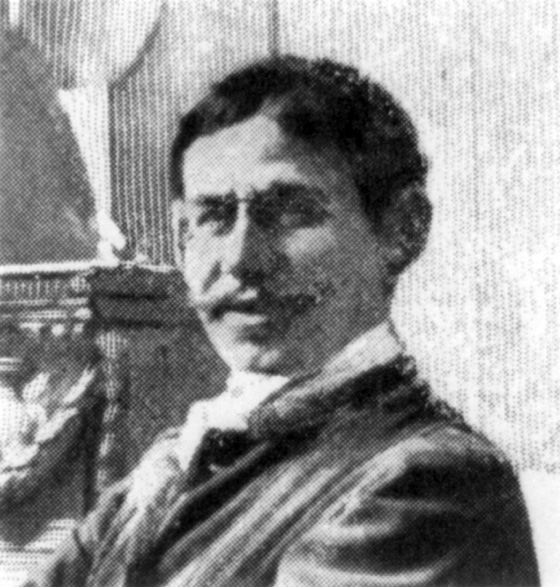
The contest he lost — and the coin he won
In 1931, the United States was getting ready to celebrate the 200th birthday of George Washington. To mark it, the government wanted a new coin bearing his face. A competition was held, and the Commission of Fine Arts — the panel of artists and architects that advises on federal design — judged the entries. Twice, the Commission named a winner: the sculptor Laura Gardin Fraser.
Twice, she did not get the job.
Treasury Secretary Andrew W. Mellon overruled the panel and chose a different design — by a quiet, sixty-six-year-old medalist named John Flanagan. When Mellon left office in early 1932, his successor Ogden L. Mills declined to reverse the call. Flanagan's Washington went onto the quarter, and Fraser's bust waited nearly seventy years for its own day on a coin. (It finally got one — on a 1999 commemorative gold piece, and again on the American Women Quarters that began in 2022.)
So the most familiar profile in American pockets came from the runner-up's pen, by order of the Treasury. The decision still draws argument among collectors. But it gave Flanagan something almost no artist ever gets: a design that would be struck, year after year, for the better part of a century.