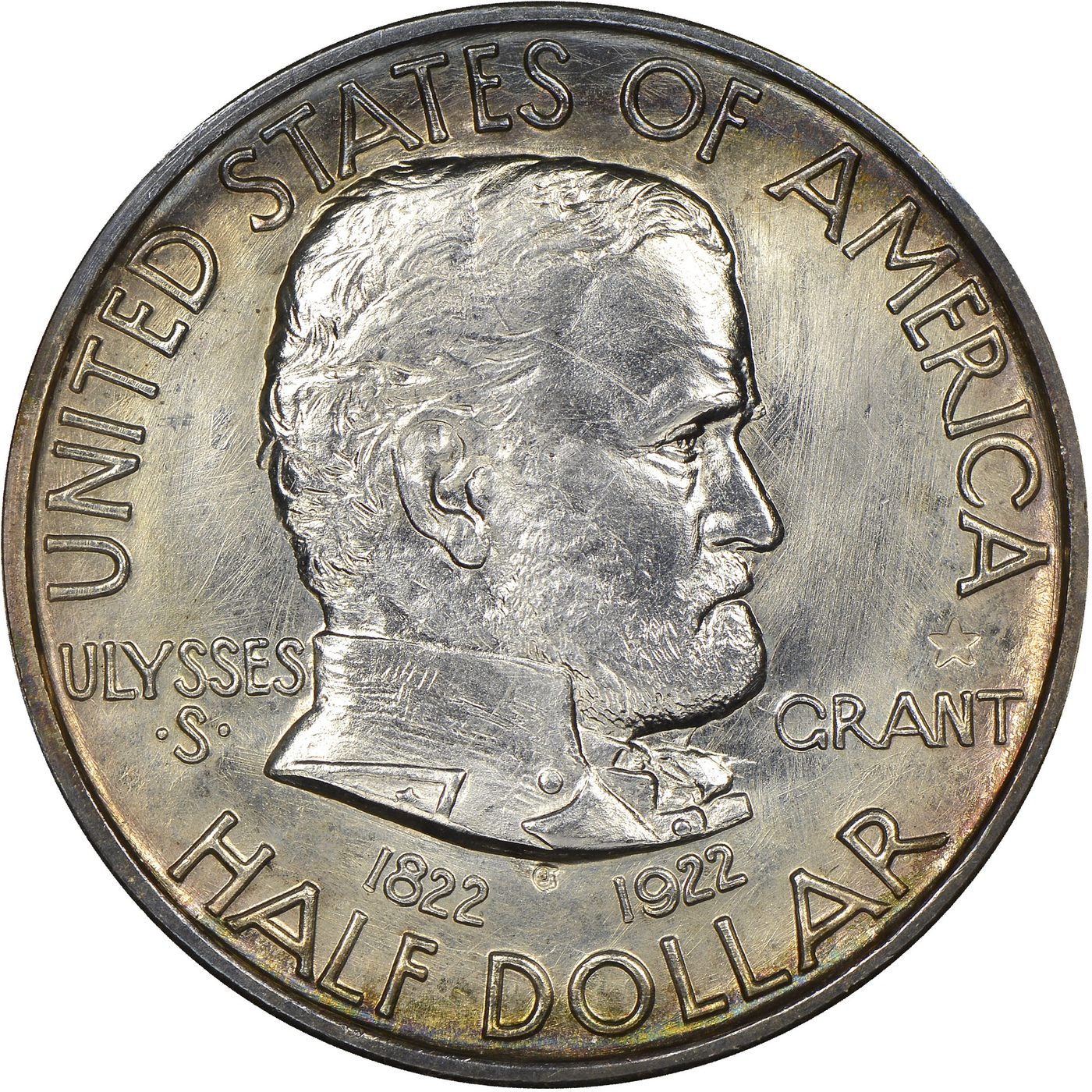
The story behind the coin
Ulysses S. Grant was born on April 27, 1822, in a small frame house in Point Pleasant, Ohio. By his hundredth birthday he was already a giant of American memory — the general who won the Civil War, the country's 18th president — and a group of Ohioans wanted to mark the centennial in his home state.
That group was the Ulysses S. Grant Centenary Memorial Association, chaired by Hugh L. Nichols, a former chief justice of the Ohio Supreme Court. Their plan was ambitious: community buildings as memorials in Georgetown and Bethel, and a five-mile "General Grant Memorial Highway" running to Point Pleasant. To pay for it, they did what commemorative organizers of the era always did — they asked Congress for coins.
A commemorative coin is legal tender struck to honor a person or event, then sold to the public above face value, with the markup — the surcharge — handed to a sponsoring cause. On February 2, 1922, President Warren G. Harding signed the act authorizing the Grant coinage: up to 250,000 silver half dollars and 10,000 gold dollars. The Association would buy them at face and resell them at a premium to fund its memorials.
The memorials, as it turned out, never got built. The buildings and the highway came to nothing. What survives is the coin — and a strange little wrinkle the Mint added at the last minute.