The story behind the coin
Three years before the torch was lit, the 2002 Salt Lake City Games were nearly the most famous Olympics that never happened. An investigation revealed that members of the Salt Lake bid committee had showered International Olympic Committee delegates with cash, gifts, and favors to win the vote. The fallout forced resignations, federal charges, and a hard look at how host cities got chosen at all.
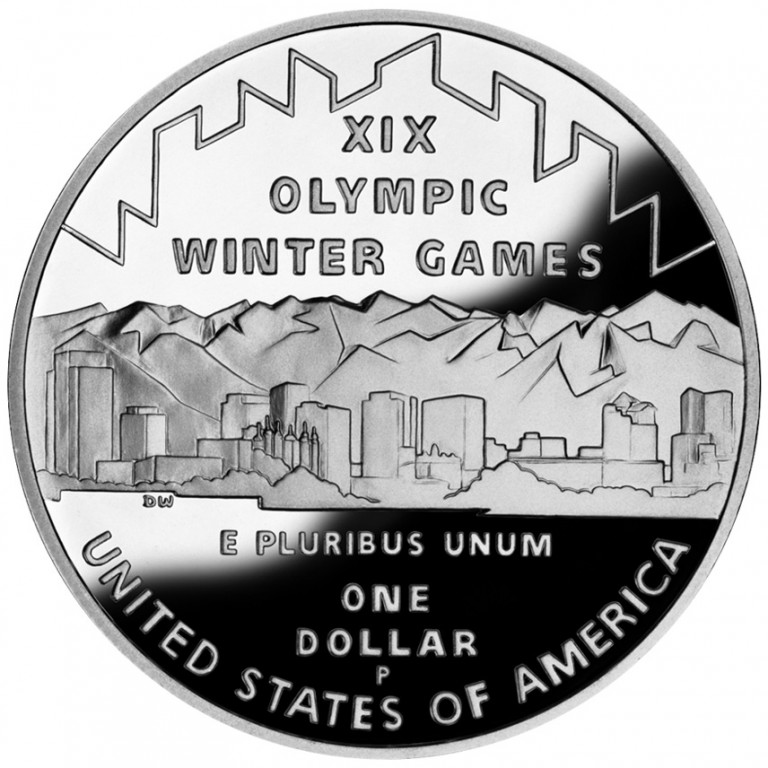
So when Congress authorized a commemorative coin for the Games, it was doing two things at once. It was honoring the first Winter Olympics on U.S. soil since Lake Placid in 1980 — and it was helping pay for an event that needed all the goodwill, and the money, it could get.
The authorizing law was the 2002 Winter Olympic Commemorative Coin Act, signed on November 6, 2000 — Public Law 106-435. It cleared the Mint to strike two coins: a $5 gold piece and this silver dollar. Every coin carried a built-in donation. The dollar cost collectors $10 above its price, and that surcharge was split evenly between the Salt Lake Organizing Committee and the United States Olympic Committee. Buying the coin meant funding the Games.
The coins went on sale in late 2001, ahead of the February 2002 opening ceremony. They are the keepsakes of a Games that, against the odds, became remembered for the events on the ice and snow rather than the scandal in the boardroom.