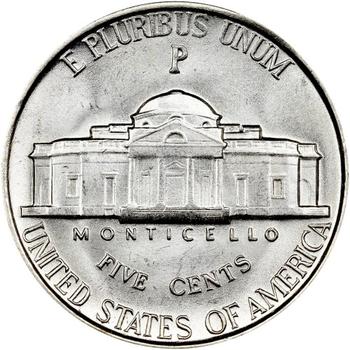
The story behind the coin
In the spring of 1942, the metal that gave the nickel its name was suddenly worth more in a factory than in your pocket. Nickel is hard, it resists heat, and it makes steel tougher — exactly what a country building aircraft engines, armor plate, and warships needs. So the United States decided its five-cent coin would have to give the metal back.
On March 27, 1942, Congress authorized a new alloy. The Mint dropped the nickel metal almost entirely and reached for an unlikely substitute: silver. The wartime coin became 56% copper, 35% silver, and 9% manganese — the first silver in a U.S. five-cent piece since the old silver half dime ended in 1873. The first coins in the new alloy were struck that autumn.
There was a practical problem hiding inside the patriotic one. These silver coins looked almost exactly like ordinary nickels, and one day the war would end and the Treasury would want to redeem the silver. How do you pull a few hundred million near-identical coins back out of a nation's coffee cans and cash drawers? The Mint's answer is the thing collectors point to first.