Designer

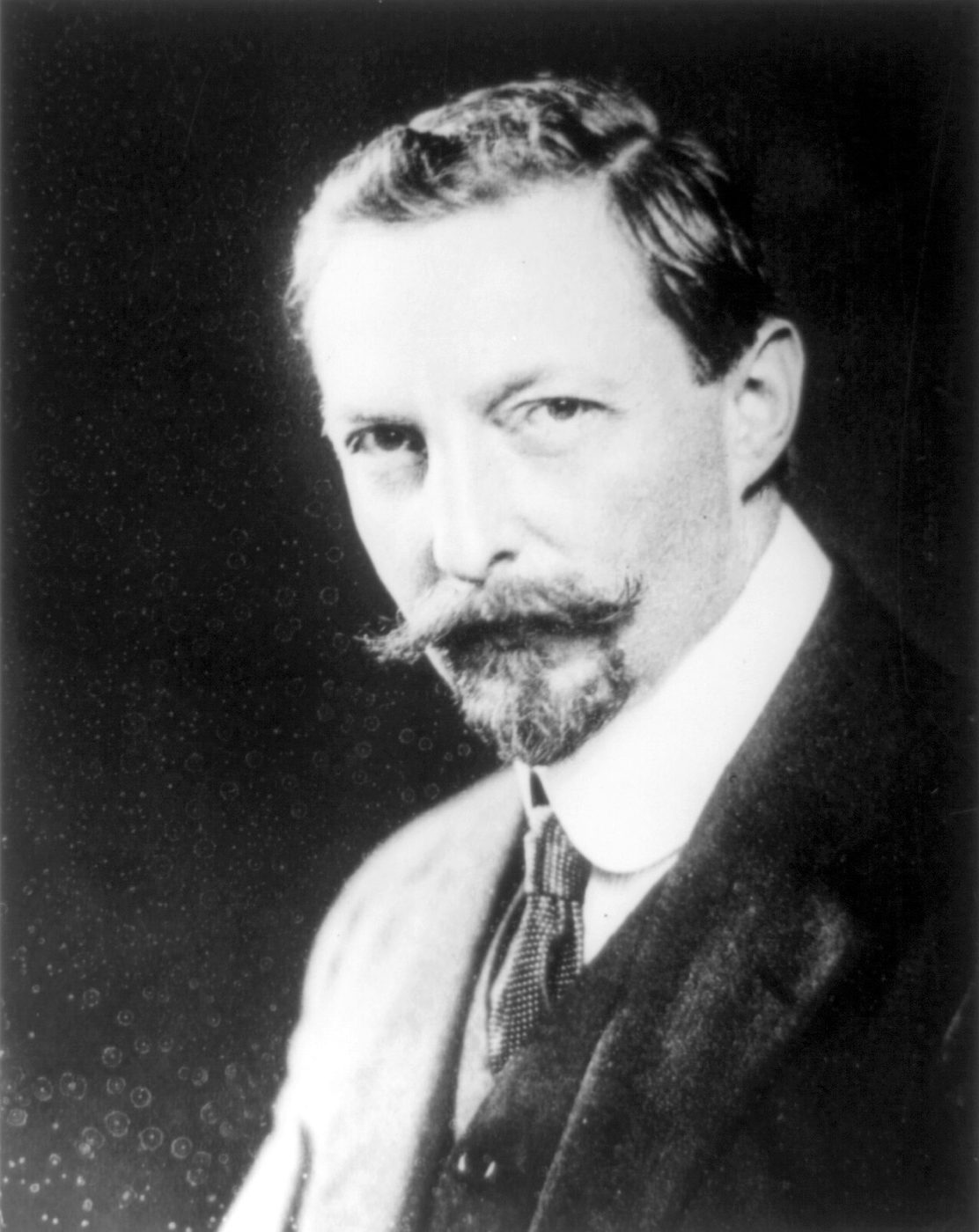
Paul Wayland Bartlett

The sculptor whose statue rode onto America's first commemorative silver dollar.

Paul Wayland Bartlett
Underwood & Underwood; U.S. Library of Congress, Prints and Photographs Division, digital ID cph.3a00997 · public domain · source

American schoolchildren mailed in pennies and nickels to build a statue of Lafayette on horseback. The sculptor they were paying for was Paul Wayland Bartlett — and his statue became the back of the very coin that helped fund it.

Who he was

Paul Wayland Bartlett spent most of his life in Paris, but his hands shaped some of the most American monuments there are — the pediment over the House of Representatives, statues inside the Library of Congress, and a general on horseback that still stands near the Louvre.

He was born in New Haven, Connecticut, on January 24, 1865, the son of the sculptor and art critic Truman Howe Bartlett. The family moved to France when Paul was a boy. He was a prodigy: he exhibited at the Paris Salon as a teenager and entered the École des Beaux-Arts — France's elite art school — at about fifteen. There he learned to model animals from life in the city's zoo, the Jardin des Plantes, studying under the celebrated animal sculptor Emmanuel Frémiet.

That training showed. His early hit, the Bohemian Bear Tamer (now in New York's Metropolitan Museum of Art), and his Ghost Dancer won praise for their anatomy — the tense, true musculature of a body and a beast. France made him a Chevalier of the Legion of Honor while he was still in his twenties. He died in Paris on September 20, 1925, at sixty.

His coin, and his craft

Bartlett's link to American coinage runs through one statue. In the 1890s a national committee set out to honor the Marquis de Lafayette — the French nobleman who fought for American independence — with a monument in Paris, paid for in part by coins collected from U.S. schoolchildren. Bartlett got the commission to sculpt it: Lafayette on horseback, sword raised.

To raise money, Congress authorized a souvenir coin. That coin became the 1900 Lafayette dollar — the first silver commemorative dollar the United States ever struck. Here is the part collectors should keep straight: Bartlett did not engrave the coin. The Mint's Chief Engraver, Charles E. Barber, designed both sides and cut the dies. But the reverse — the "tails" side — is Bartlett's monument, copied from an early model of his statue. Barber even put Bartlett's name on the base of the sculpted horse, right there on the coin. So Bartlett is the sculptor behind the design, not the engraver of the metal — a distinction that comes up often with monument-based coinage.

His real masterworks were architectural in scale. From 1908 to 1916 he carved Apotheosis of Democracy, the marble pediment over the U.S. Capitol's House wing — a sculpted scene set into the triangular gable above the entrance. Inside the Library of Congress stand his bronze figures of Michelangelo and Columbus. He worked in the Beaux-Arts tradition: grand, allegorical, anatomically exact. The Lafayette dollar carries a small, struck echo of all of it.

Key facts

Born
January 24, 1865 — New Haven, Connecticut
Died
September 20, 1925 — Paris, France
Nationality
American
Training
École des Beaux-Arts, Paris; studied under Emmanuel Frémiet
Coin connection
Sculpted the Lafayette equestrian statue copied on the 1900 Lafayette dollar reverse
Coin engraver of record
Charles E. Barber (Bartlett sculpted the source statue, not the dies)
Notable works
Apotheosis of Democracy (U.S. Capitol pediment, 1908–1916); Lafayette statue, Paris; Bear Tamer; Library of Congress bronzes
Honors
Chevalier, Legion of Honor; American Academy of Arts and Letters (1916)

Career milestones

  1. 1865Born in New Haven, Connecticut.
  2. c.1880Enters the École des Beaux-Arts in Paris; studies animal sculpture under Frémiet.
  3. 1887Wins a medal at the Paris Salon for his Bear Tamer.
  4. 1899–1900His Lafayette equestrian statue becomes the model for the reverse of the Lafayette dollar; the statue is unveiled in Paris in 1900.
  5. 1908–1916Carves Apotheosis of Democracy, the U.S. Capitol House pediment.
  6. 1916Admitted to the American Academy of Arts and Letters.
  7. 1925Dies in Paris at age 60.

Questions collectors ask

Did Paul Wayland Bartlett design the Lafayette dollar?

Not exactly — and this trips people up. Bartlett sculpted the equestrian statue of Lafayette that appears on the coin's reverse. But the U.S. Mint's Chief Engraver, Charles E. Barber, designed both sides of the coin and cut the dies, basing the reverse on an early model of Bartlett's statue. So Bartlett is the artist behind the reverse image; Barber is the engraver of record.

Why is Bartlett's name on the Lafayette dollar?

Barber's reverse shows Bartlett's sculpture, and the engraving includes Bartlett's name on the base of the sculpted horse — the way a monument carries its sculptor's signature. It's a credit to the artist of the statue, not a sign that Bartlett engraved the coin.

What is Paul Wayland Bartlett most famous for?

His large public sculpture. The best-known is Apotheosis of Democracy, the marble pediment over the House of Representatives wing of the U.S. Capitol (1908–1916), and his equestrian statue of Lafayette in Paris. He also made bronzes for the Library of Congress and the Bohemian Bear Tamer now in the Metropolitan Museum of Art.

Was Bartlett American or French?

American. He was born in Connecticut in 1865 but lived and trained in Paris from boyhood, which is why so much of his story plays out in France — including the Lafayette statue and his death in Paris in 1925.

Sources