Designer
Jamie Wyeth
The third-generation realist painter who put a living woman on a U.S. coin — for the first time.
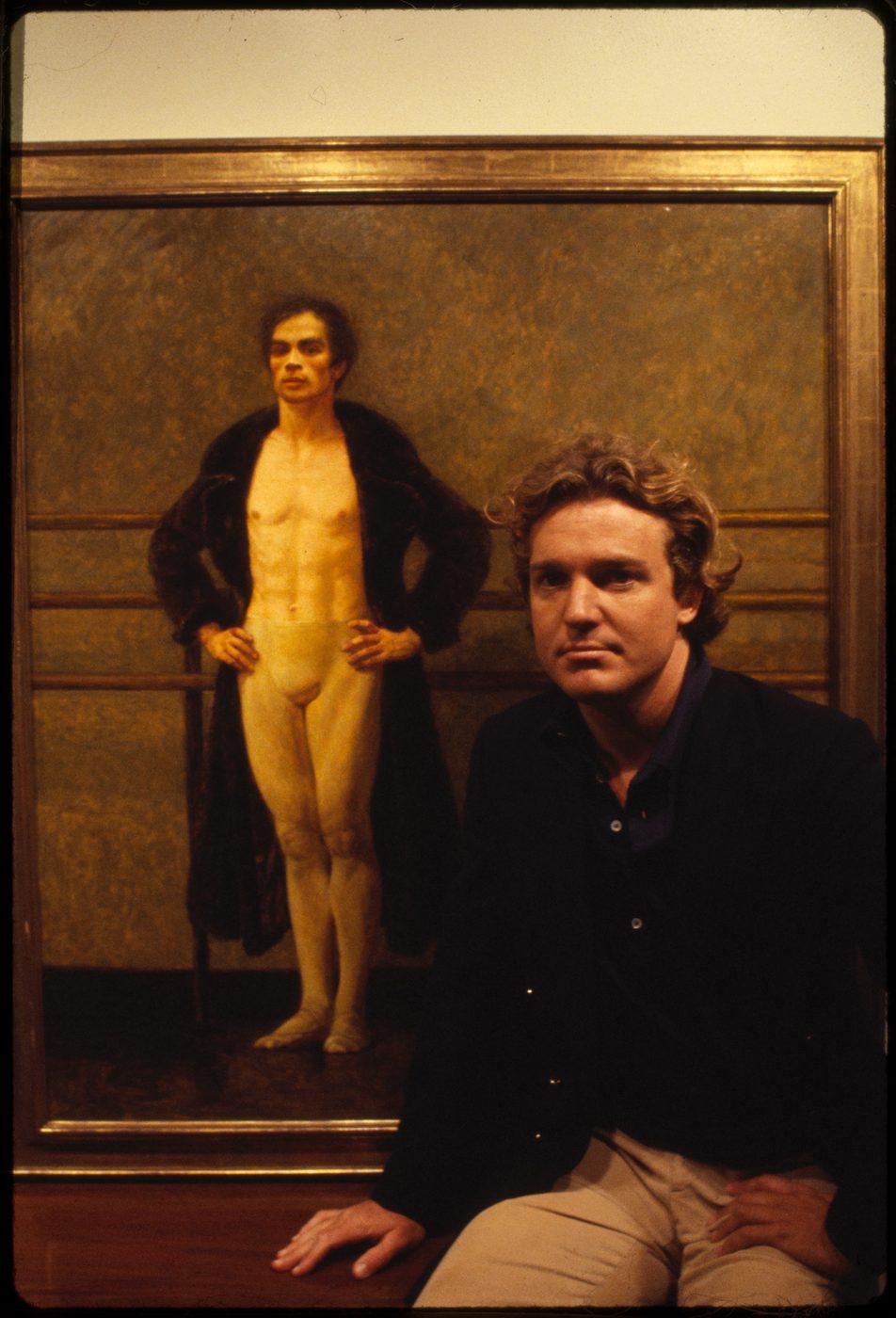
Jamie Wyeth never trained as a coin engraver, never worked for the Mint. He was a famous painter who, in 1995, drew one portrait — and quietly made history with it.
Who he is
Jamie Wyeth was born into the most famous family in American painting. His grandfather was N.C. Wyeth, the illustrator whose pirates and knights filled a generation of storybooks. His father was Andrew Wyeth, who painted Christina's World and became one of the most popular American artists of the twentieth century. Jamie — born James Browning Wyeth in Wilmington, Delaware, on July 6, 1946 — was the third Wyeth to make a living with a brush.
He almost didn't go to school for it. After six years of public school he was tutored at home, and at twelve he began studying with his aunt, the painter Carolyn Wyeth, in N.C. Wyeth's old studio. The lessons were old-fashioned and relentless: drawing, then drawing some more. As a teenager he wanted to understand the human body, so he spent time at a New York City morgue, sketching anatomy. That mix — a sheltered rural childhood and an unflinching eye — became his signature.
By his twenties he was a sought-after portraitist. He painted a haunting posthumous portrait of John F. Kennedy in 1967, commissioned by the Kennedy family when Wyeth was barely twenty; he later painted Andy Warhol and his own father. He worked in oil, watercolor, the demanding egg-tempera technique his family was known for, plus etching and lithography. He is a realist — but a stranger, brighter realist than his father, fond of islands, animals, and odd, unsettling light.
The coin he made
In 1995 the U.S. Mint struck a silver dollar to honor the Special Olympics World Games, held that summer in New Haven, Connecticut. The obverse — the heads side — needed a portrait of Eunice Kennedy Shriver, the woman who had founded the Special Olympics. The Mint turned to a painter, not a staff engraver: Jamie Wyeth.
The choice made sense. Wyeth was a master portraitist, and he was close to the family — his JFK portrait had been a Kennedy commission, and his wife, Phyllis Mills Wyeth, had worked in the Kennedy White House and on the arts council that became VSA at the Kennedy Center. He knew his subject. His drawing of Shriver became the coin's face; the Mint's veteran sculptor-engraver Thomas James Ferrell translated the artwork into the steel dies that actually strike metal.
That portrait carried a quiet first. The 1995 Special Olympics dollar is widely cited as the first U.S. coin to depict a living woman — Shriver was very much alive when the coins were struck. (For most of U.S. history, living people were kept off the coinage by custom.) The reverse — the tails side — was designed and engraved by another Mint sculptor, Thomas D. Rogers, and pairs the Special Olympics medal and a rose with a line from Shriver herself: "As we hope for the best in them, hope is reborn in us." Wyeth's contribution was a single, careful likeness — but it is the part of the coin people remember.
Key facts
- Full name
- James Browning Wyeth
- Born
- July 6, 1946 — Wilmington, Delaware, USA
- Nationality
- American
- Known for
- Realist painting; portraits of John F. Kennedy and Andy Warhol
- Family
- Son of Andrew Wyeth; grandson of N.C. Wyeth
- U.S. coin design
- Obverse (Eunice Kennedy Shriver), 1995 Special Olympics World Games silver dollar
- Coin engraver
- Obverse modeled by Thomas James Ferrell (U.S. Mint)
Questions people ask
Did Jamie Wyeth design a U.S. coin?
Yes — one. He designed the obverse (heads side) of the 1995 Special Olympics World Games silver dollar: a portrait of Eunice Kennedy Shriver, the founder of the Special Olympics. He was the artist; U.S. Mint sculptor-engraver Thomas James Ferrell modeled the design into coinage relief.
Who is Jamie Wyeth?
An American realist painter born in 1946, the son of Andrew Wyeth and grandson of illustrator N.C. Wyeth — the third generation of a celebrated painting family. He is best known for his portraits, including a posthumous 1967 portrait of John F. Kennedy commissioned by the Kennedy family.
Why is the 1995 Special Olympics dollar historically important?
It is widely recognized as the first U.S. coin to depict a living woman. Eunice Kennedy Shriver, who founded the Special Olympics, was alive when the coin was struck — a break from the long tradition of keeping living people off U.S. coinage.
Did Jamie Wyeth design the whole coin?
No. Wyeth designed only the obverse portrait of Shriver. The reverse — the Special Olympics medal, a rose, and a Shriver quotation — was designed and engraved by a different U.S. Mint sculptor, Thomas D. Rogers.