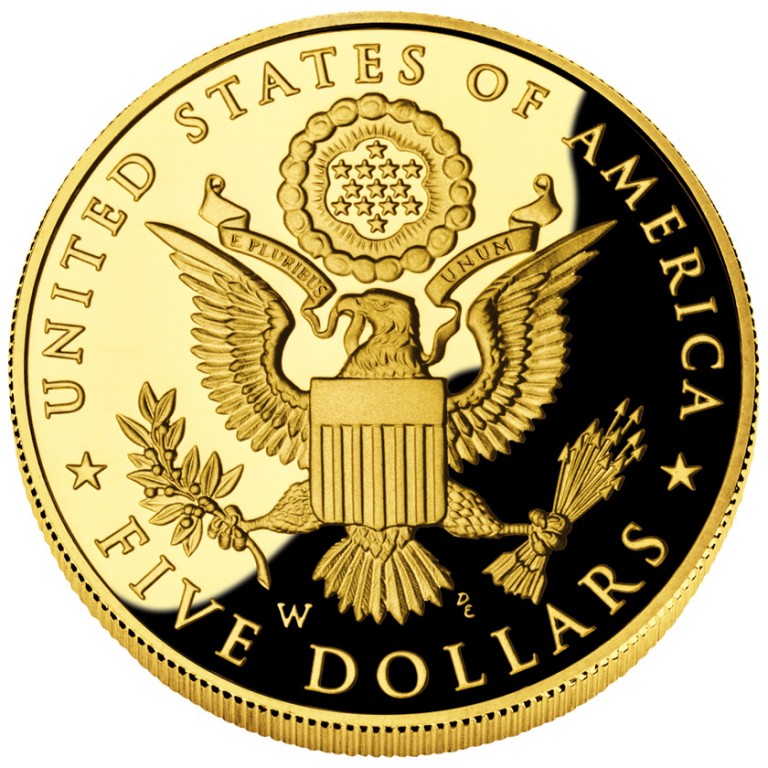
The bird on the seal almost disappeared
The bald eagle has been the emblem of the United States since 1782. It sits on the Great Seal, on the back of currency, on the lectern the president speaks behind. And for a stretch of the 20th century, the real bird was vanishing.
The poison was DDT, a pesticide that washed into rivers, built up in fish, and then in the eagles that ate them. It thinned their eggshells until the eggs cracked under the weight of the nesting parent. By 1963 only about 417 nesting pairs were left in the lower 48 states. The country's living symbol was on its way out.
Then the law stepped in. DDT was banned in 1972. The Endangered Species Act of 1973 gave the eagle real protection. Slowly, the population climbed back. In 2007 the U.S. Fish and Wildlife Service removed the bald eagle from the list of threatened and endangered species — a rare, clean conservation win. Congress had already voted, back in 2004, to mark that moment in gold.