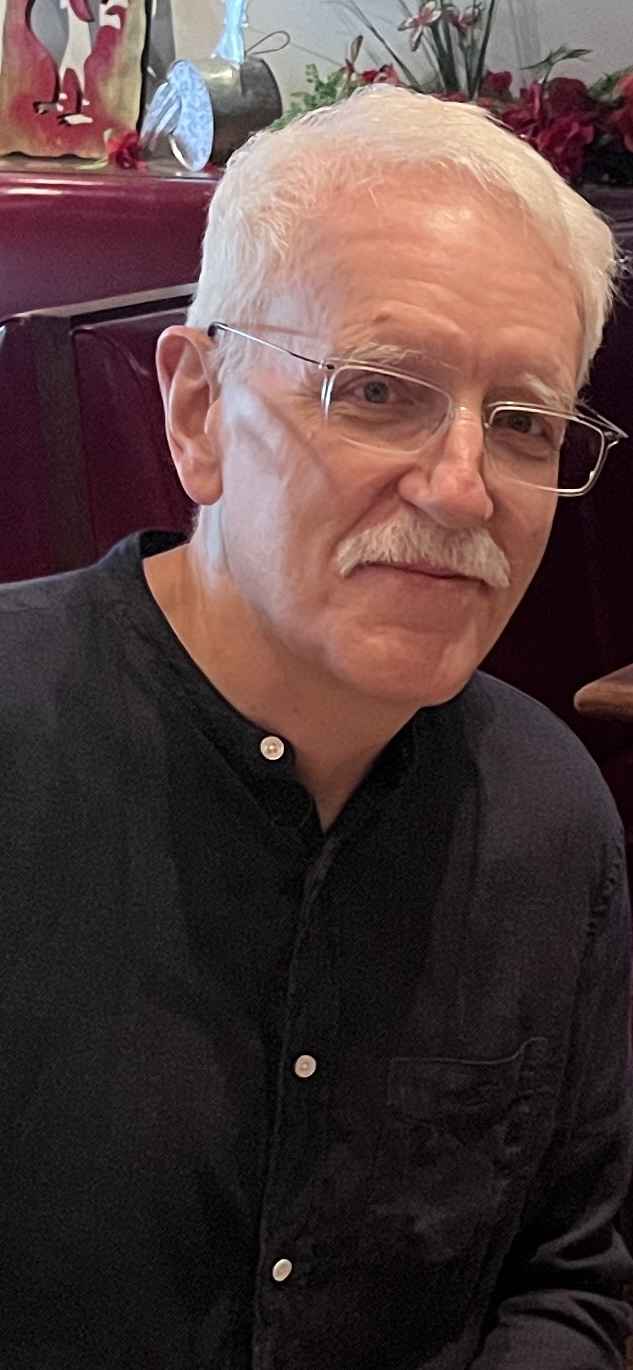
Designer

Richard Masters

The art professor who walked in off the street and ended up on a $100 gold coin.

Richard Masters
User:Hyungsubshim (Own work), CC0 · CC0 · source

In 2004 the U.S. Mint did something it had never done: it invited outside artists to design America's coins. Richard Masters was one of the first through the door — and twenty years later he is the last of that founding group still working.

Who he is

For most of American history, you could not just apply to design a coin. The work went to the Mint's own engraving staff, or, on rare occasions, to a famous sculptor the government courted personally. Then, in 2003, the Mint tried something new. It launched the Artistic Infusion Program — a roster of outside artists, chosen by competition, who would submit designs alongside the in-house engravers. Richard Masters made the first cut. Two decades on, he is the only one of those inaugural members still designing.

He came to it the long way. Born in Sioux City, Iowa, in 1955, Masters earned three degrees — a BA, an MA, and a Master of Fine Arts — from the University of Iowa, then spent his career teaching graphic design at the University of Wisconsin–Oshkosh. He was, in other words, not a coin man. He was a draftsman and a teacher who happened to answer a call for artists.

That outsider's eye is the whole point of the program — and of his work. A coin is a tiny canvas, struck in the millions, that has to read clearly at the size of a fingernail. Masters spent decades making images that reward close looking. Bringing that patience to a circulating coin is a strange, demanding fit, and it is exactly what the Mint was after when it opened the doors in 2004.

The craft

Away from the Mint, Masters draws — graphite and colored pencil, worked to an almost photographic finish. His subjects run from nature and architecture to the harder edges of city life, including homelessness. The common thread is patience: dense, painstaking detail built up by hand. His drawings have hung in juried and invited shows around the world and won national honors, among them a top prize from the Allied Artists of America.

A coin design begins as exactly that kind of drawing. In the Artistic Infusion Program, the artist creates the design — the composition, the figure, the idea — but does not cut the metal. A Mint sculptor-engraver translates the drawing into the three-dimensional model from which the dies (the hardened steel stamps that strike the coin) are made. So Masters' coins carry two names: his, for the design, and a sculptor's, for the relief — the raised, sculpted surface you actually feel.

You can see his hand most clearly when the format gives him room. A high-relief coin — one struck so the design stands up dramatically from the field, the flat background — is the closest a modern coin comes to a small sculpture. It is where a detailed draftsman's instincts pay off, and it is where Masters has done his most celebrated Mint work.

Career timeline

  1. 1955Born in Sioux City, Iowa.
  2. 1990Completes his Master of Fine Arts at the University of Iowa (after earlier BA and MA there).
  3. 2004Joins the U.S. Mint's Artistic Infusion Program as one of its inaugural artists.
  4. 2007Designs the obverse of the Little Rock Central High School Desegregation silver dollar.
  5. 2009That Little Rock design wins a Coin of the Year (COTY) award for Best Contemporary Event Coin.
  6. 2015Retires from teaching at the University of Wisconsin–Oshkosh.
  7. 2019Designs the obverse of the American Liberty High Relief gold coin — a stylized Liberty crowned with 13 rays.
  8. 2021Designs the reverse of the American Liberty gold coin: a close-up eagle, open-beaked. It is later named Best Gold Coin in the COTY awards.

Key facts

Full name
Richard Alan Masters
Born
August 5, 1955 — Sioux City, Iowa
Nationality
American
Training
BA, MA & MFA, University of Iowa
Day job
Professor of graphic design, University of Wisconsin–Oshkosh (retired 2015)
Mint role
Artistic Infusion Program designer — inaugural member, 2004
Signature coins
2019 American Liberty obverse; 2021 American Liberty reverse; 2007 Little Rock Desegregation dollar obverse
Honors
Coin of the Year — Best Contemporary Event Coin (2009, Little Rock dollar)

Questions collectors ask

Did Richard Masters design the 2015 American Liberty gold coin?

No. The original 2015 American Liberty High Relief gold coin was designed by other Artistic Infusion Program artists. Masters joined the series later: he designed the obverse — the heads side — of the 2019 coin, a stylized Liberty crowned with 13 rays, and the reverse — the tails side — of the 2021 coin, a close-up of an eagle.

What is the Artistic Infusion Program?

It's a U.S. Mint roster of outside artists, started in 2003–2004, who submit coin and medal designs alongside the Mint's own staff engravers. Masters was one of its first members and, as of recent years, the only inaugural member still working in it.

If he designed the coins, why does another name appear with his?

Program artists create the design, not the physical relief. A Mint sculptor-engraver models the design in three dimensions for the dies. The 2019 American Liberty obverse was sculpted by Joseph Menna; the 2021 reverse by Phebe Hemphill. Both coins credit Masters as the designer.

Has any Masters design won an award?

Yes. His obverse for the 2007 Little Rock Central High School Desegregation silver dollar won a Coin of the Year award for Best Contemporary Event Coin in 2009. The 2021 American Liberty gold coin, carrying his eagle reverse, was later named Best Gold Coin in the same international competition.

Sources