Designer

Titian Peale: the naturalist who gave America its flying eagle

He spent his life drawing birds from the wild. One of those birds ended up on the silver dollar.

Titian Peale: the naturalist who gave America its flying eagle
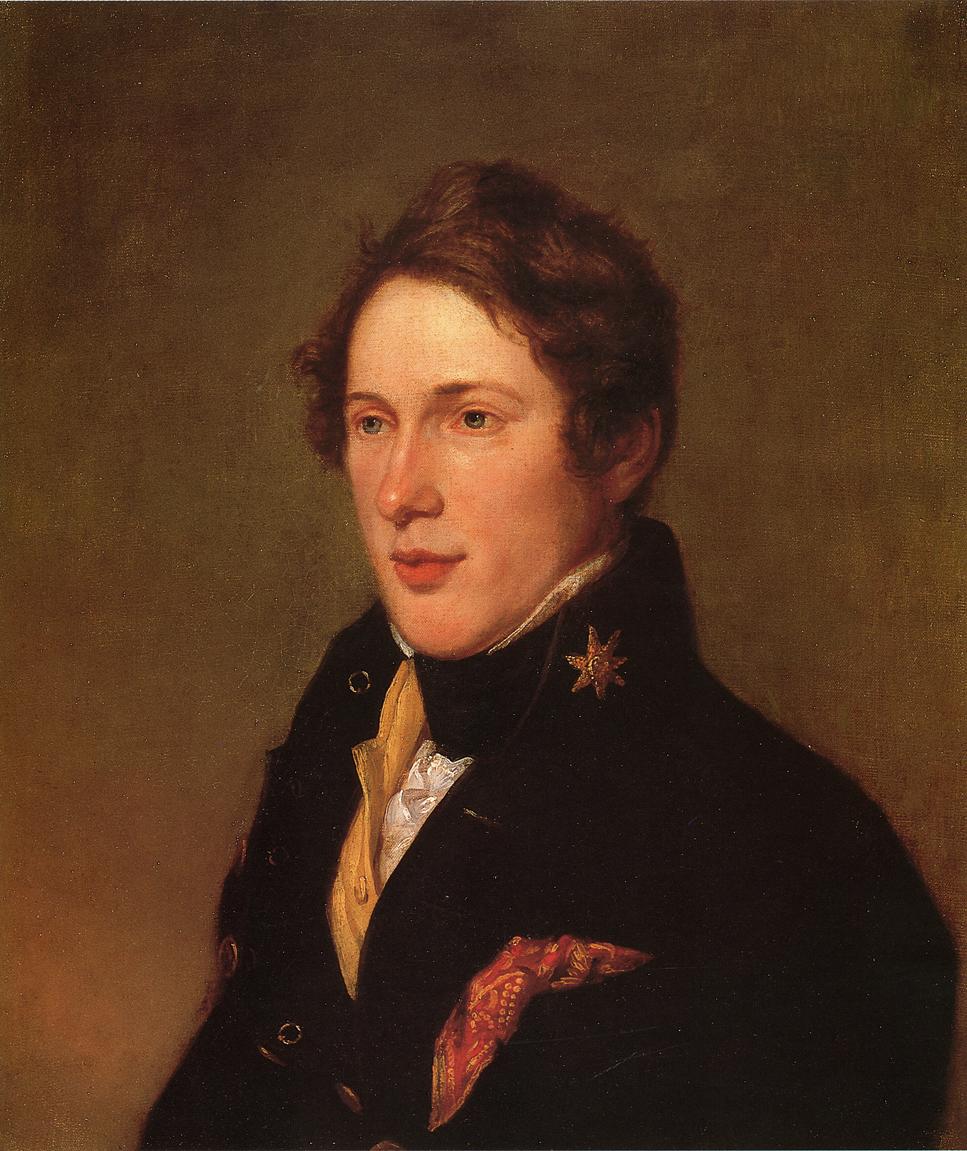
Portrait by Charles Willson Peale, 1819 (artist d. 1827; public domain) · public domain · source

Titian Peale was not a coin designer. He was a naturalist — a man who chased butterflies across the Rockies and painted birds for the great expeditions of his century. But in 1836 the U.S. Mint asked him to draw an eagle, and that eagle flew across American money for the next sixty years.

The Peale who drew from life

Titian Ramsay Peale was born in Philadelphia on November 17, 1799, into the most artistic family in early America. His father was Charles Willson Peale — portraitist of the Revolution, founder of one of the country's first natural history museums. Charles named his sons after the masters: Raphaelle, Rembrandt, Rubens. Titian was named after the great Venetian painter.

But Titian did not become a portraitist. He became a naturalist who could draw. While still a teenager he was illustrating specimens; at eighteen he was elected to Philadelphia's Academy of Natural Sciences. In 1819 and 1820 he crossed the plains to the Rocky Mountains with Major Stephen Long's expedition, sketching animals and landscapes no Eastern artist had seen. His drawings later filled the plates of Alexander Wilson's American Ornithology and Thomas Say's American Entomology. Peale drew the natural world the way other men wrote it down — patiently, from the living thing.

That is the key to understanding his one famous coin. When the Mint needed an eagle, it did not ask a sculptor for a heraldic emblem. It asked a man who had spent his life watching real eagles fly.

The eagle, the dollar, and the Mint

In the mid-1830s the U.S. Mint set out to redesign the silver dollar, which had not been struck for circulation in decades. Mint Director Robert M. Patterson had a clear vision and split the work between two artists. He asked the celebrated portrait painter Thomas Sully to draw the front — the obverse, the "heads" side — as a seated figure of Liberty, distinctly American but echoing Britain's seated Britannia. And in a letter dated August 1, 1835, he asked Titian Peale to draw the back: an eagle in flight.

This is the crucial distinction, and collectors get it wrong constantly. Peale designed the reverse eagle. Sully designed the Seated Liberty obverse. Neither man cut a coin. The actual engraving — turning a painter's sketch into hardened steel dies — was done by the Mint's second engraver, Christian Gobrecht, which is why the resulting dollar carries his name. The coin is a collaboration: Sully's Liberty, Peale's eagle, Gobrecht's hand.

Peale's eagle was different from anything on American money before it. Past eagles stood stiff and heraldic, clutching arrows and an olive branch. Peale gave the Mint a living bird — wings spread, rising through a field of stars, "flying onward and upward." It was the instinct of a naturalist, not a heraldist: an eagle as it actually looks in the air.

A famous story says Peale modeled it on Peter, a tame bald eagle who lived around the Mint until he was killed in a coining press and stuffed for display. The Mint did keep a mounted eagle called Peter, and the tale is told often — but treat it as tradition rather than documented fact; whether Peter was truly Peale's model is not firmly established.

There is one more thread worth pulling. The man who ran much of the Mint's machinery in these years — Melter and Refiner from 1836, later Chief Coiner — was Franklin Peale, Titian's own brother. So when Titian's eagle went onto the dies, it was being struck in a building his brother helped run.

Key facts

Full name
Titian Ramsay Peale
Born
November 17, 1799 — Philadelphia, Pennsylvania
Died
March 13, 1885 — Philadelphia, Pennsylvania
Nationality
American
Profession
Naturalist and scientific illustrator
Coin contribution
Designed the flying-eagle reverse adapted onto U.S. coinage (1836)
Engraved by
Christian Gobrecht (Peale drew; Gobrecht cut the dies)
Eagle's long life
Flying eagle later reworked for the Flying Eagle cent, 1856–1858

The eagle that wouldn't land

Most coin designs have one life. Peale's eagle had several.

It first flew on the Gobrecht dollar, struck from 1836 to 1839 in tiny numbers — a famous rarity today. When the Mint moved to a different reverse for the regular Seated Liberty dollar and the small Seated Liberty silver (the dime and half dime that appeared in 1837), Sully's Liberty stayed on the front, and that is the link people remember. Peale's flying eagle, meanwhile, did not simply retire.

Twenty years later, when James B. Longacre designed the Flying Eagle cent of 1856–1858 — America's first small cent — he reached back to the Gobrecht-era flying eagle for his model. So a bird first sketched by a naturalist in 1836 ended up on the most-collected small cent of the 1850s. That is an extraordinarily long shadow for a single drawing.

It is also why Peale's name keeps surfacing in a field he never worked in. He was a scientist who left American coinage one of its most enduring images almost by accident — and then went back to his butterflies.

Questions collectors ask

Did Titian Peale design the Gobrecht dollar?

He designed its reverse — the flying eagle. The Seated Liberty on the front (the obverse, or heads side) was drawn by portrait painter Thomas Sully. Neither man engraved the coin; Mint engraver Christian Gobrecht cut the dies, which is why the dollar carries Gobrecht's name.

Was Titian Peale a coin engraver?

No. He was a naturalist and scientific illustrator, the son of artist Charles Willson Peale. The Mint asked him for an eagle sketch because he was a renowned wildlife artist — not because he made coins. Christian Gobrecht did the engraving.

Is the story that the eagle was modeled on Peter, the Mint's pet eagle, true?

It is a long-told tradition, and the Mint did display a mounted eagle named Peter. But whether Peter was actually Peale's model is not firmly documented. Treat it as a good story, not a confirmed fact.

Where else was Peale's eagle used?

The flying eagle from the 1836 dollar was reworked by James B. Longacre for the Flying Eagle cent of 1856–1858, America's first small cent — giving Peale's design a second, far more common life.

Sources